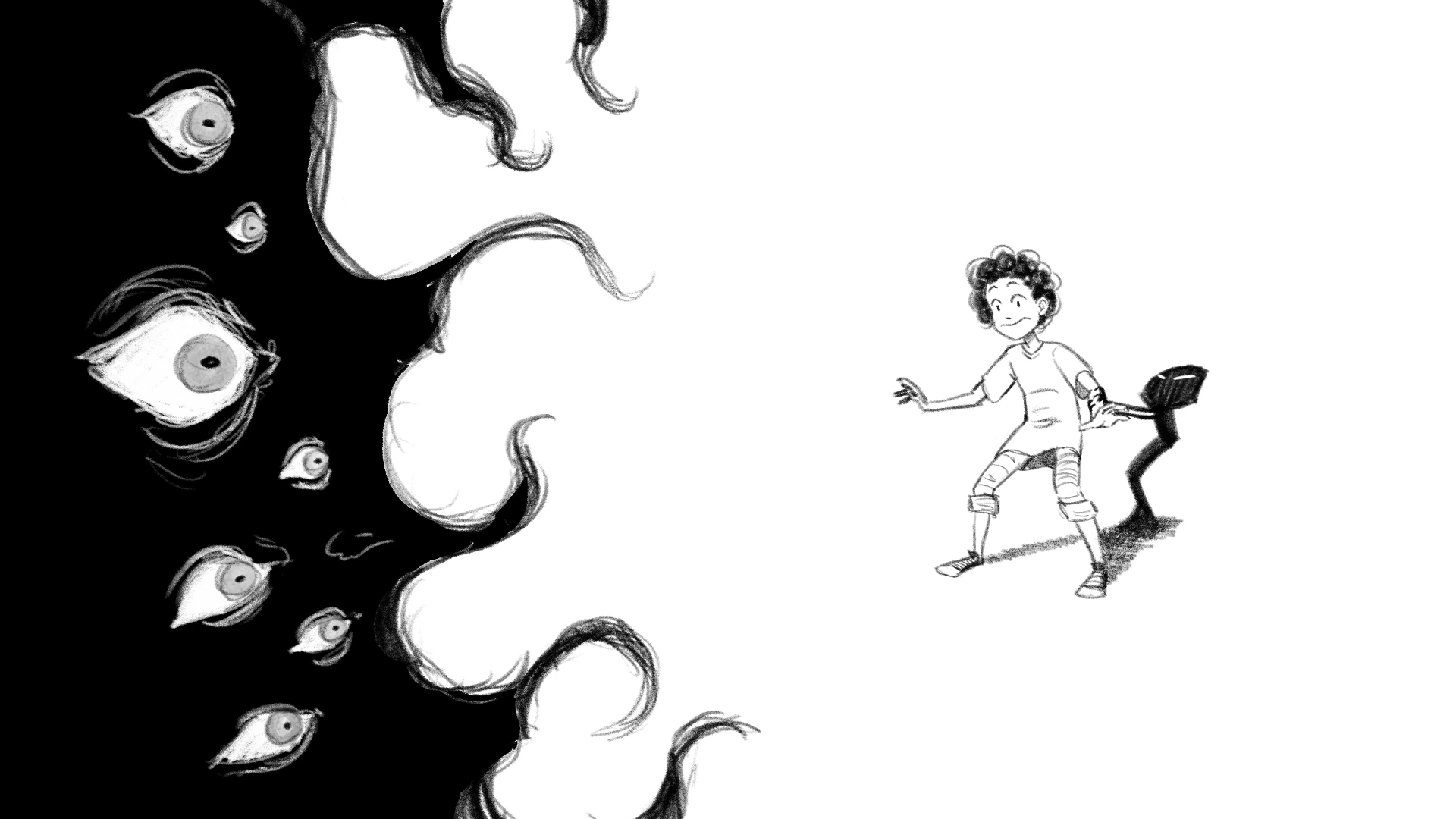
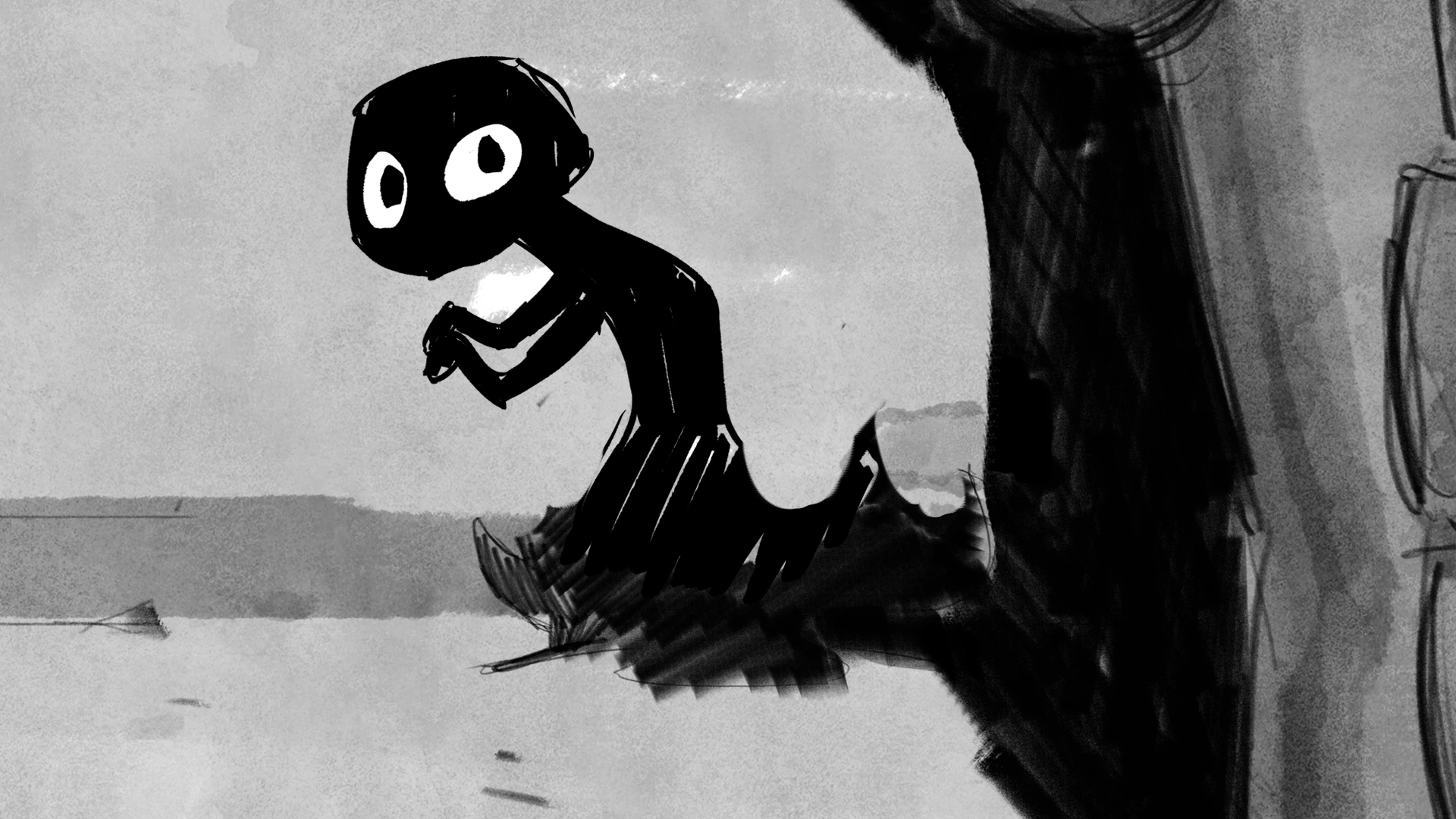
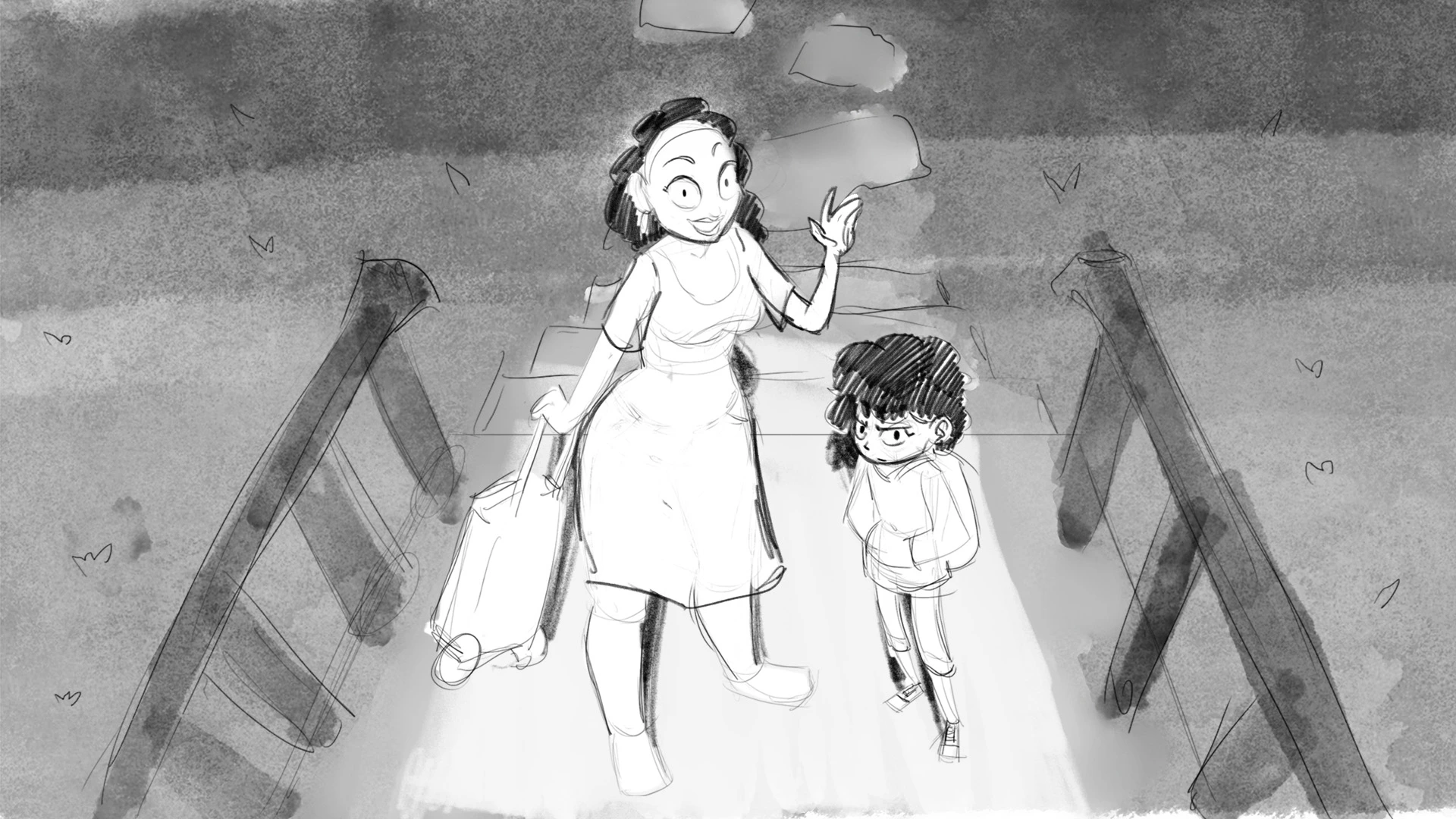
The "Shadow Without Owner" begins with the journey of Sofía and Lucía, mother and daughter, to the grandparents' house: an elderly couple, a warm and accommodating wife, and a grumpy, taciturn husband. During their stay, Sofía tries to help as much as possible, while Lucía, more bored than busy, becomes curious about exploring the old house. She discovers that there is something supernatural about it, and after a few days, encounters a living shadow that seems to belong to no body. Lucía befriends it; however, it is not the only one inhabiting the house; there is another, hostile, suspicious, and lurking. Lucía decides to delve into the depths of this mystery to uncover hidden family realities beneath a supernatural veil.
Concept, Research, and Moodboard
First, we needed to identify the emotional intent of the story we wanted to tell. To do this, we were guided by narrative genres; however, we didn't always refer to a specific genre. Sometimes it's a mix or something discontinuous that jumps from one to another. The most original cases are, in themselves, the invention of a new one.
We wanted to achieve a balance between a coming-of-age, family, and horror film. With this guide, we could begin a deeper and more specific search for inspirations.
Working on an animation project doesn't mean that inspirations come solely from other animated works. To establish the aesthetic trend of our work, we need to explore beyond the genre: images, color palettes, films, music, literary works or cases, photographs, and elements of reality itself.
We call the collection of all these inspirations a moodboard, which we can organize into an emotional collage to create the main atmosphere of our work. It's not an identity, but an atmosphere, a mix of inspirations to develop the profile and style of our animation.
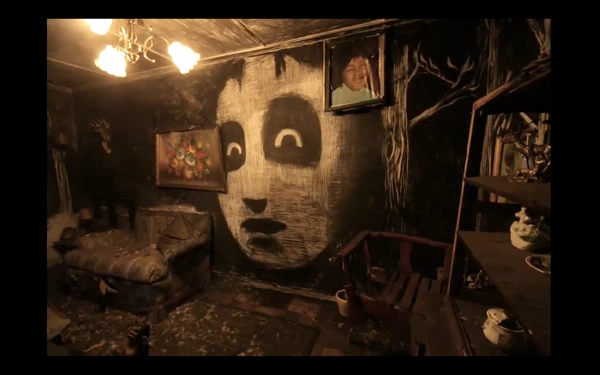
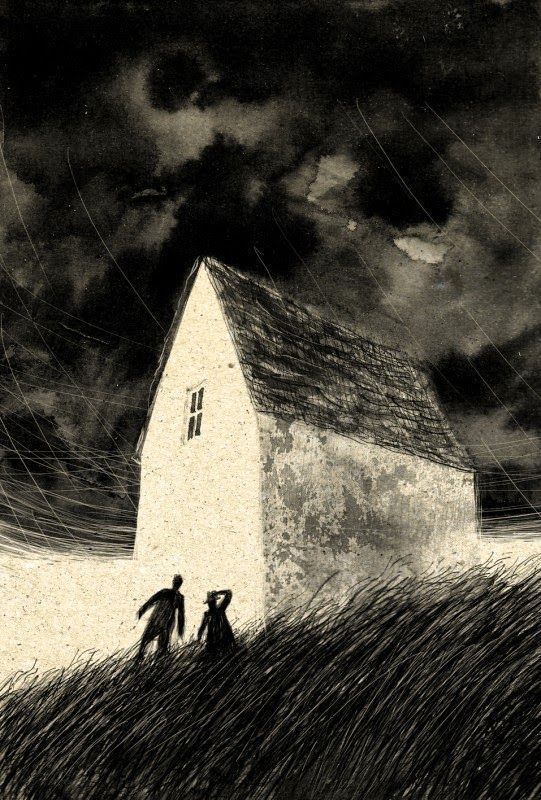
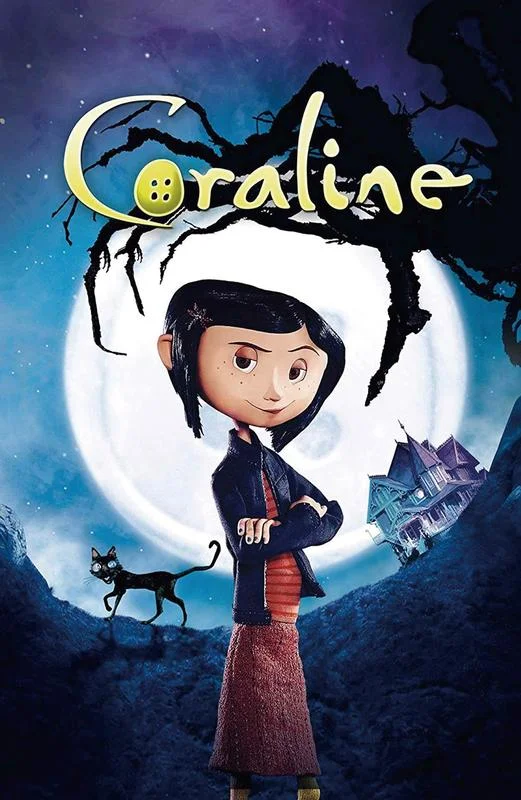
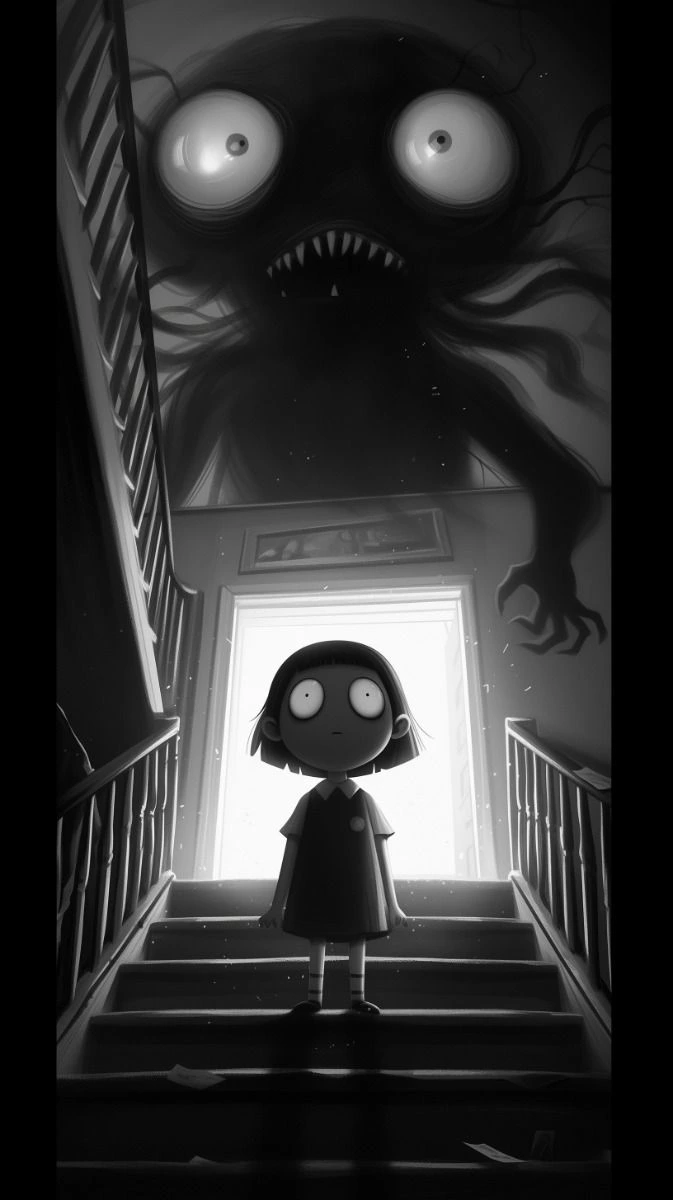
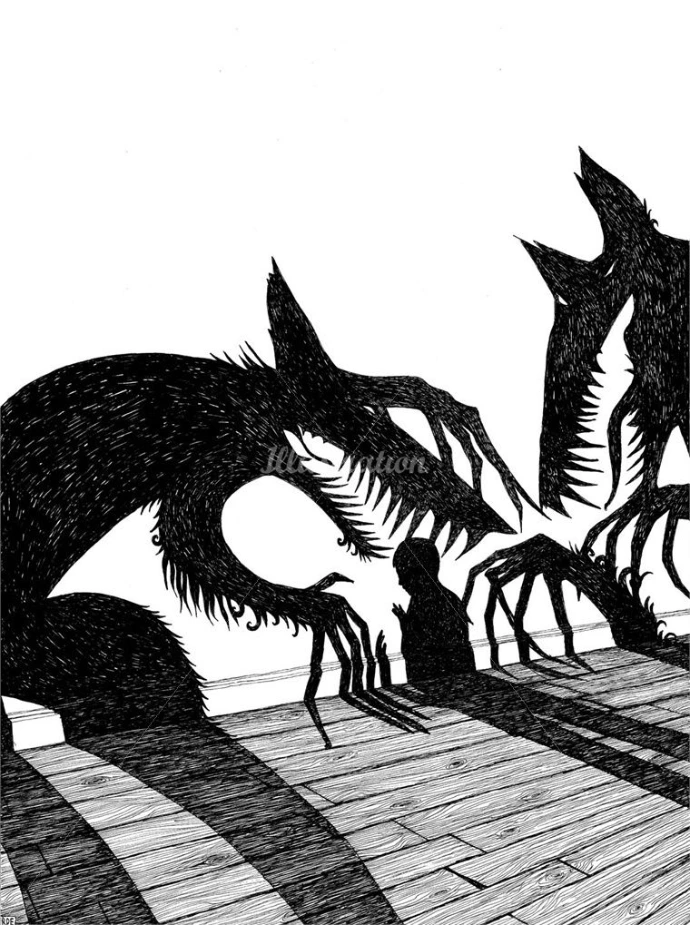
The director had the idea of a black-and-white development, as the play of light and shadow takes center stage; high contrast, solitude, and the contrast between the modern and the old were the signs to follow.
Animated and Cinematic Elements
The moodboard offers us a rich variety of diverse inspirations, with which we can experiment to define our unique style in animation. From angles and shots to the desired number of frame intervals and artistic techniques (see below).
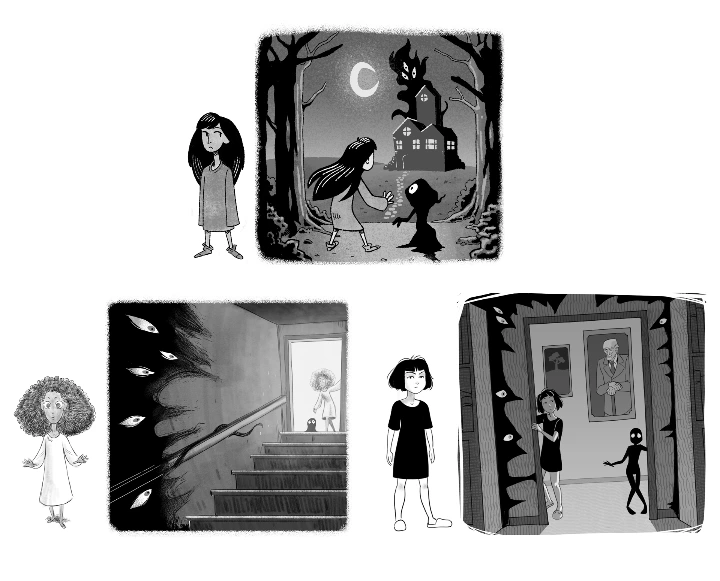
Consistency in our work can leverage other narrative effects that alter the original style. For example, the use of flashbacks might involve a different color palette; a dream could be filtered by mist effects, and a character's perspective might distort the world's shapes. Having these cases well-defined before starting production avoids improvisation.
Let's not forget we're talking about animation, so determining the limits of deformation is essential. For a more sober work with adult themes, a more realistic style that respects the laws of physics might be more favorable. However, in a youthful and wacky animation, breaking the laws of physics and exaggeration can maximize the emotional intent.
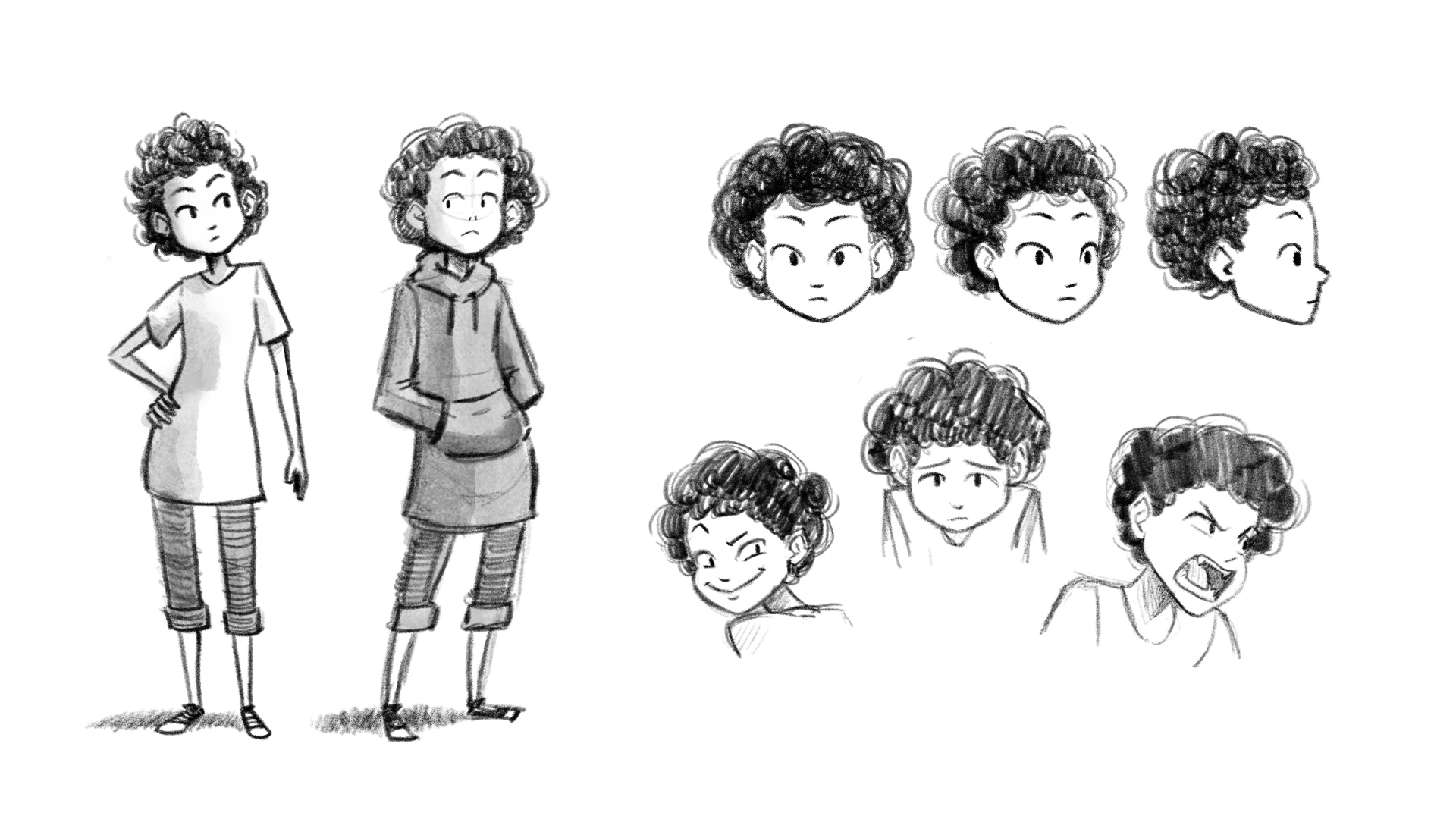
In "The Shadow Without Owner" for the human world, we sought a style with realistic proportions and physics. However, we used caricature to distort the characters' expressions and features. For the supernatural characters, the limits were elsewhere, as we were dealing with animated shadows; we envisioned black smudges that could take on a multitude of shapes and sizes. Playing within these well-defined thresholds offers us a very interesting range of actions and emotions without breaking the consistency of the work. Finally, for all the characters, we used an inconsistent and vibrant outline to give the feel of traditional hand-drawn art.
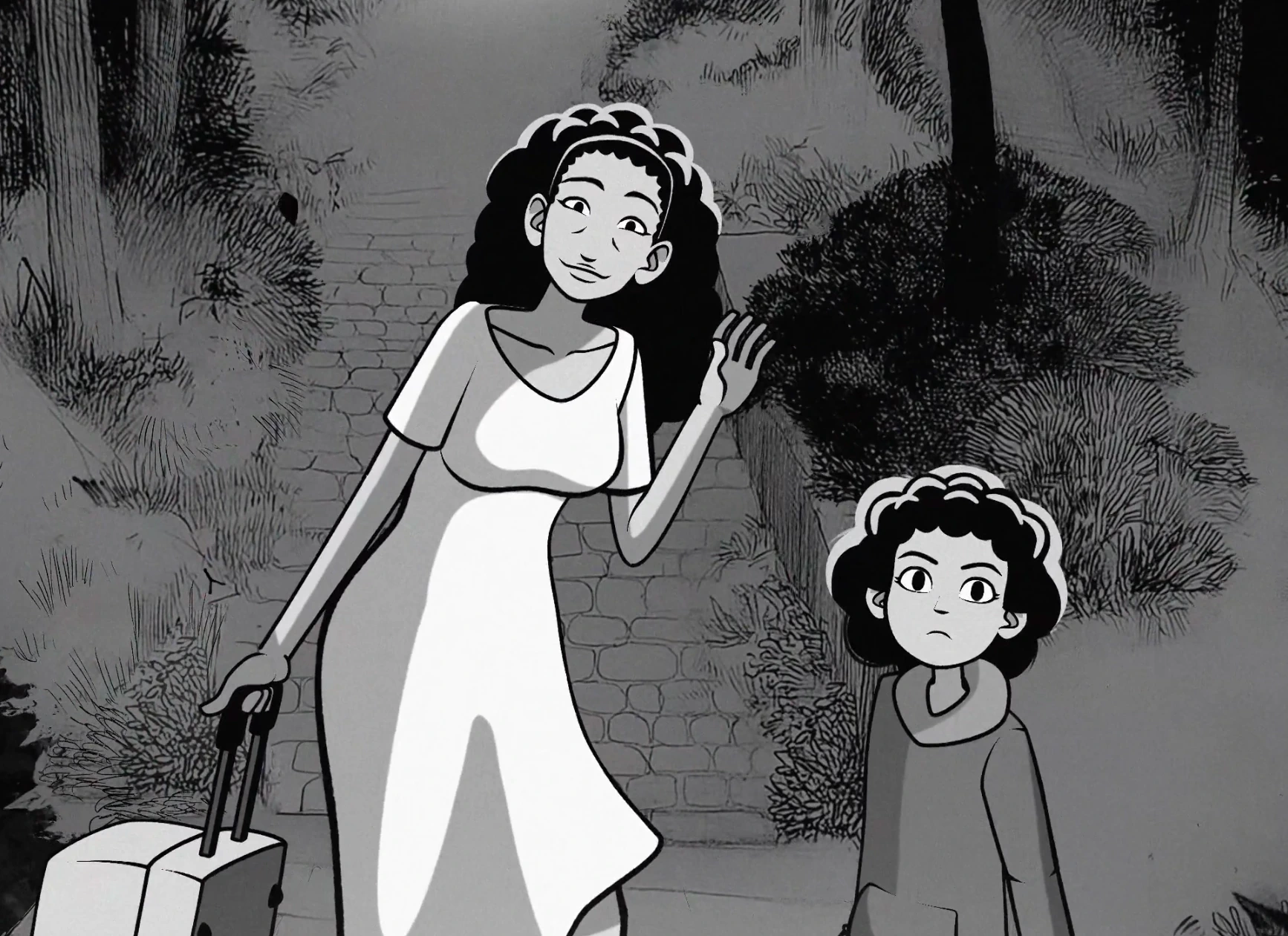
The backgrounds would have a style distinct from the characters: chiaroscuro techniques in etching. This contrast between characters and backgrounds, along with other cinematic elements like a film grain filter and working in intervals of 2, will ultimately give it an antique look without losing its modern and fresh forms.
Techniques and Tools
In animation, several techniques are known. Generally, we can divide them into two: 2D and 3D. The first uses drawing and painting, either analog or digital. The second relies on analog modeling for stop motion and digital through computer software. Like genres, techniques can be mixed and applied during the production and/or post-production phase.
Depending on the technique, we experience different ways of crafting while exploring the project's limits. Conducting tests, where artists from various disciplines and talents collaborate, allows us to preview the final style and practice for the production phase.
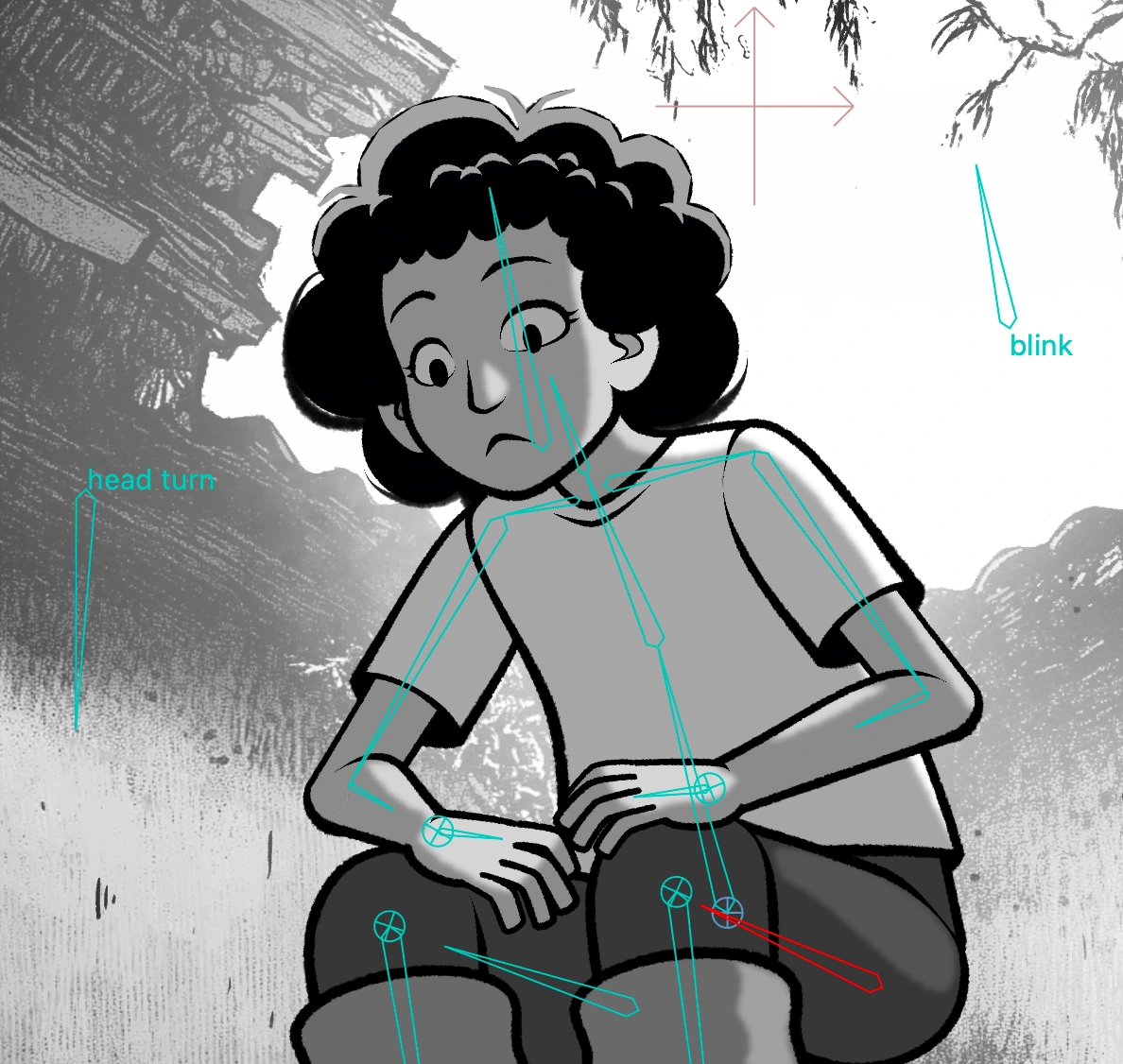
For LSD, we did everything digitally. To create characters, we used Photoshop and Procreate (sketches), MOHO (vector illustration, rigging, animation, and rendering), and finally After Effects (post-production, FX, and final render). It's ironic that despite working fully digitally, we seek results that resemble traditional techniques. But these are some of the great illusory advantages that the digital medium allows us, along with savings in time and money.
Defining a style requires practice before the final production. Limiting this process to a single experiment during production will cause serious consistency issues in the visual discourse, leading to bottlenecks and mishaps due to unfamiliarity with the limits of techniques, talents, and technologies.